Powered by Element Mortgage
Apply for your next home loan
Fast, simple online application. Share a few details and we will reach out with clear next steps.
- Apply in minutes
- Get personal guidance from start to close
- Know your next step within 1 business day
No obligation. Your information stays private.

Nelson Monge
Senior Loan Officer
The Mortgage Dept. powered by Element Mortgage
[email protected]
Licensed in FL, GA, TN and AZ
NMLS 818088
HOME EQUITY LINE OF CREDIT
Flexible Financing with Your Home’s Equity
Access the value in your home with a HELOC, a flexible line of credit that often offers lower rates than credit cards. Use your funds for home renovations, debt consolidation, or other important expenses, paying interest only on what you draw. It’s your credit, your terms.
NON-QM LOANS
Flexible Lending for Investors and Self-Employed Borrowers
Discover DSCR loans and Bank Statement loans designed for real estate investors and self-employed individuals. Qualify using cash flow or bank statements instead of traditional income verification.
DSCR Loans
A DSCR loan qualifies you using the property’s rental cash flow—if the rent supports the payment (the DSCR), you may not need traditional personal income documentation.
- Qualify based on Debt Service Coverage Ratio
- Fast underwriting process
- Perfect for rental property investors
Bank Statement Loans
A Bank Statement loan helps self‑employed borrowers qualify using 12–24 months of bank deposits instead of tax returns, with a simpler income calculation.
- Use 12-24 months of bank statements
- No traditional income docs needed
- Streamlined application for self-employed
Asset Depletion Loans
An Asset Depletion loan uses eligible liquid assets to create “qualifying income,” ideal for high‑asset borrowers (often retirees) who don’t show strong W‑2 income.
- Fast decisions tailored for non-QM borrowers
- Supportive guidance every step of the way
- Competitive terms to fit your needs
GET IN TOUCH
Let us Start a Conversation
Whether you have an upcoming collaboration or an initial inquiry, we invite you to connect directly with our studio team.
Direct line: [email protected] • Responding within 24 hours
NON-QM LOANS
Flexible Lending for Investors and Self-Employed Borrowers
Discover DSCR loans and Bank Statement loans designed for real estate investors and self-employed individuals. Qualify using cash flow or bank statements instead of traditional income verification.
DSCR Loans
A DSCR loan qualifies you using the property’s rental cash flow—if the rent supports the payment (the DSCR), you may not need traditional personal income documentation.
Bank Statement Loans
A Bank Statement loan helps self‑employed borrowers qualify using 12–24 months of bank deposits instead of tax returns, with a simpler income calculation.
Asset Depletion Loans
An Asset Depletion loan uses eligible liquid assets to create “qualifying income,” ideal for high‑asset borrowers (often retirees) who don’t show strong W‑2 income.
Questions? Contact Nelson Monge | Branch Manager | [email protected] | Cell: (407) 301-3931 | Work: (407) 501-5837
American Pacific Mortgage Corporation NMLS #2796081 | Nelson Monge NMLS #818088 | Licensing | Privacy Policy | NMLS
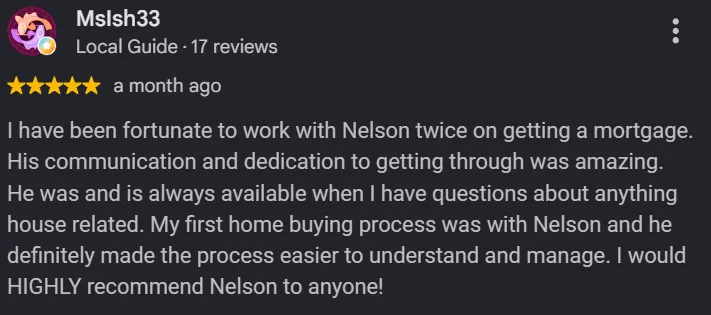
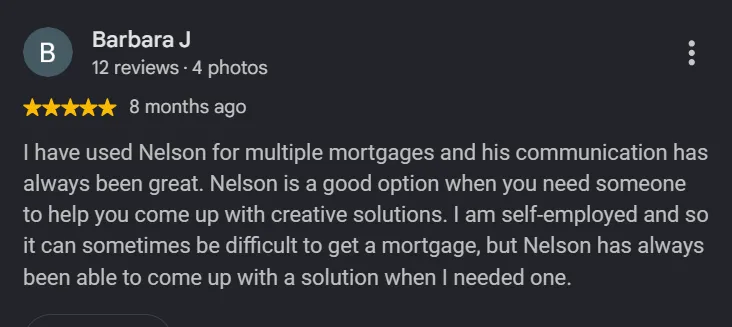
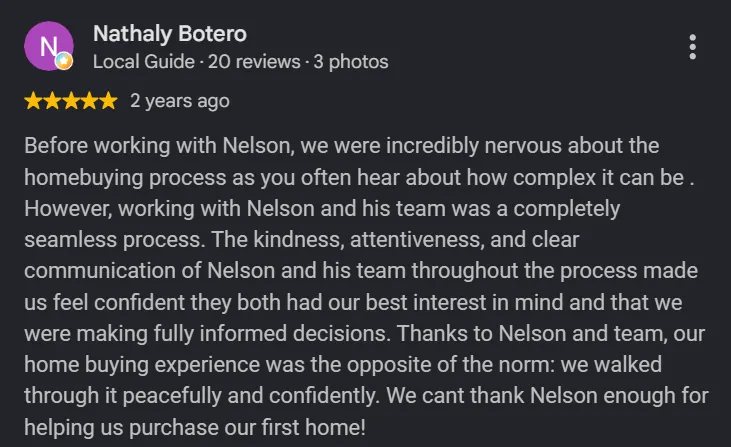
WHAT CLIENTS SAY